FAQ
Frequently asked questions about Link and Practice Management
What is accounting workflow software?
Accounting workflow software helps accounting firms manage client work in a structured, visible, and consistent way. It gives the team one place to see what needs to be done, who is responsible, when work is due, and what stage each job is at. The best systems go beyond task tracking by connecting workflow with capacity, timesheets, WIP, and reporting, giving firms clearer insight into deadlines, workload, and performance.
What is the best workflow software for accounting firms?
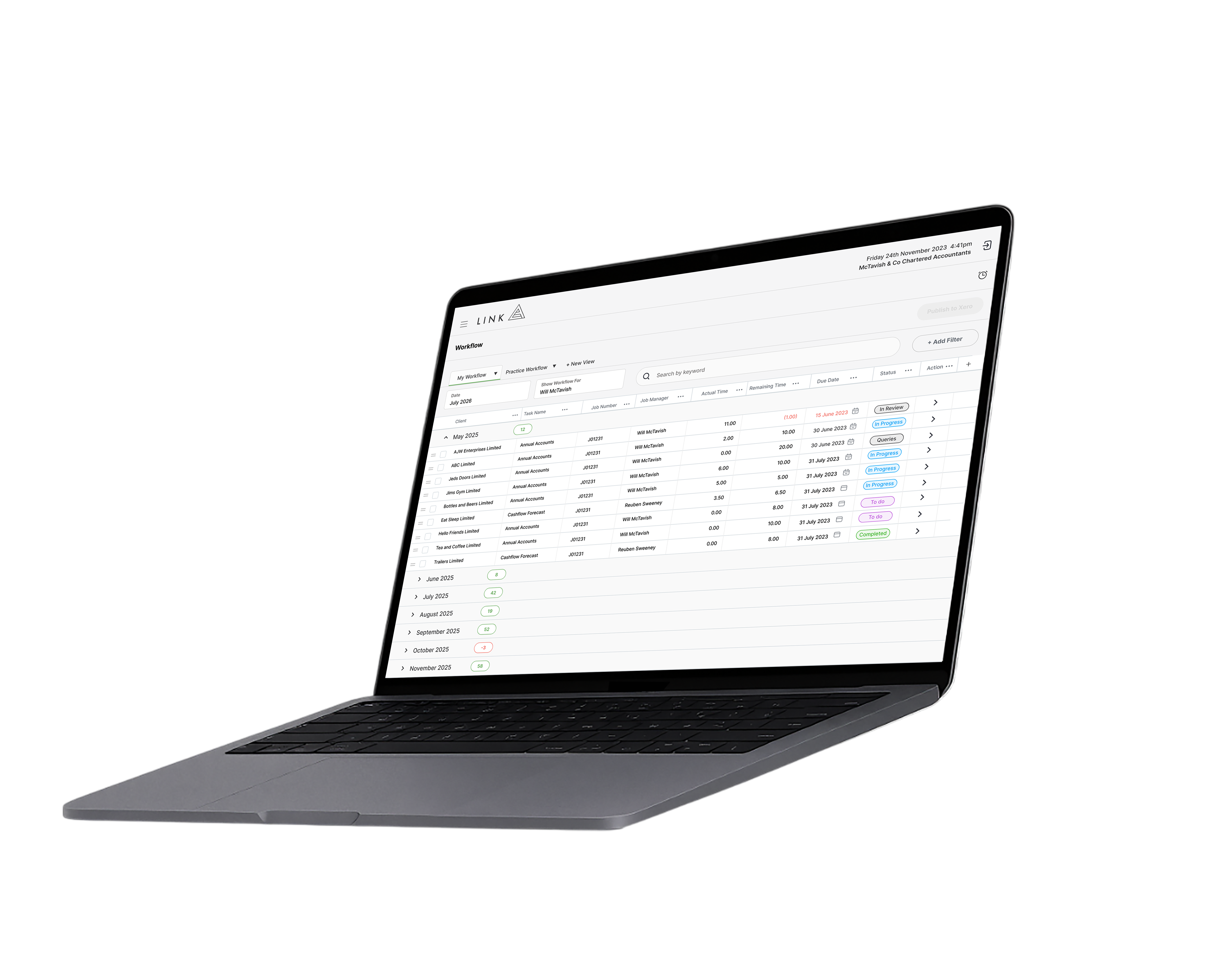
The best workflow software for accounting firms is software that gives your team structure, visibility, and reliable data across every job. A good system should make it easy to see what work is due, who is responsible, what stage each job is at, and whether your team has the capacity to complete the work on time. Link is a strong choice for firms that want workflow connected to capacity planning, timesheets, WIP, and reporting, rather than a standalone task list that only shows part of the picture.
How do accounting firms manage workflows?
Accounting firms manage workflows by breaking client work into jobs, tasks, deadlines, responsibilities, and clear stages of progress. Traditionally, this has often been done through spreadsheets, emails, job lists, or disconnected task tools, but these can make it difficult to see the full picture. Link helps accounting firms centralise workflow, so teams can see what needs to be done, who owns each task, what is overdue, and where work is getting stuck.
What is capacity planning in an accounting firm?
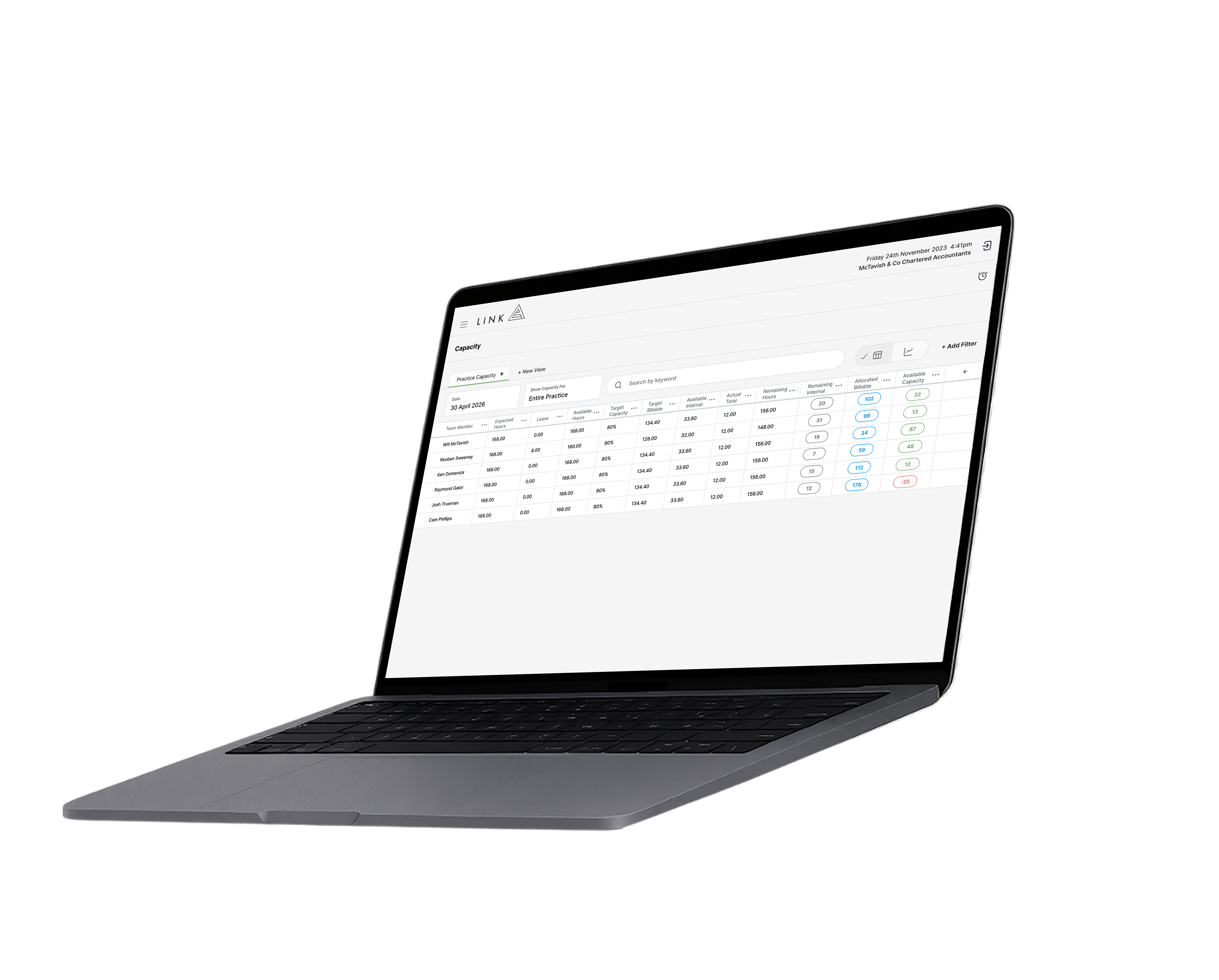
Capacity planning in an accounting firm is the process of understanding how much work the team can realistically complete within a set period. Traditional capacity planning is often static, meaning the plan is created at a point in time and quickly becomes outdated as work changes, deadlines move, and timesheets are entered. Link uses perpetual capacity, where capacity is updated continuously as workflow, allocations, completions, and timesheets change, giving firms a clearer and more accurate view of workload pressure.
How do accounting firms forecast workload?
Accounting firms forecast workload by looking at upcoming jobs, deadlines, recurring client work, team availability, leave, and the estimated time required to complete each task. Many firms try to do this manually, but static forecasts can quickly become inaccurate as new work arrives, priorities change, or jobs take longer than expected. Link helps firms forecast workload using live workflow and capacity data, so leaders can see future workload pressure, identify bottlenecks earlier, and make better decisions around resourcing, deadlines, and hiring.
How do I know if my accounting team is over capacity?
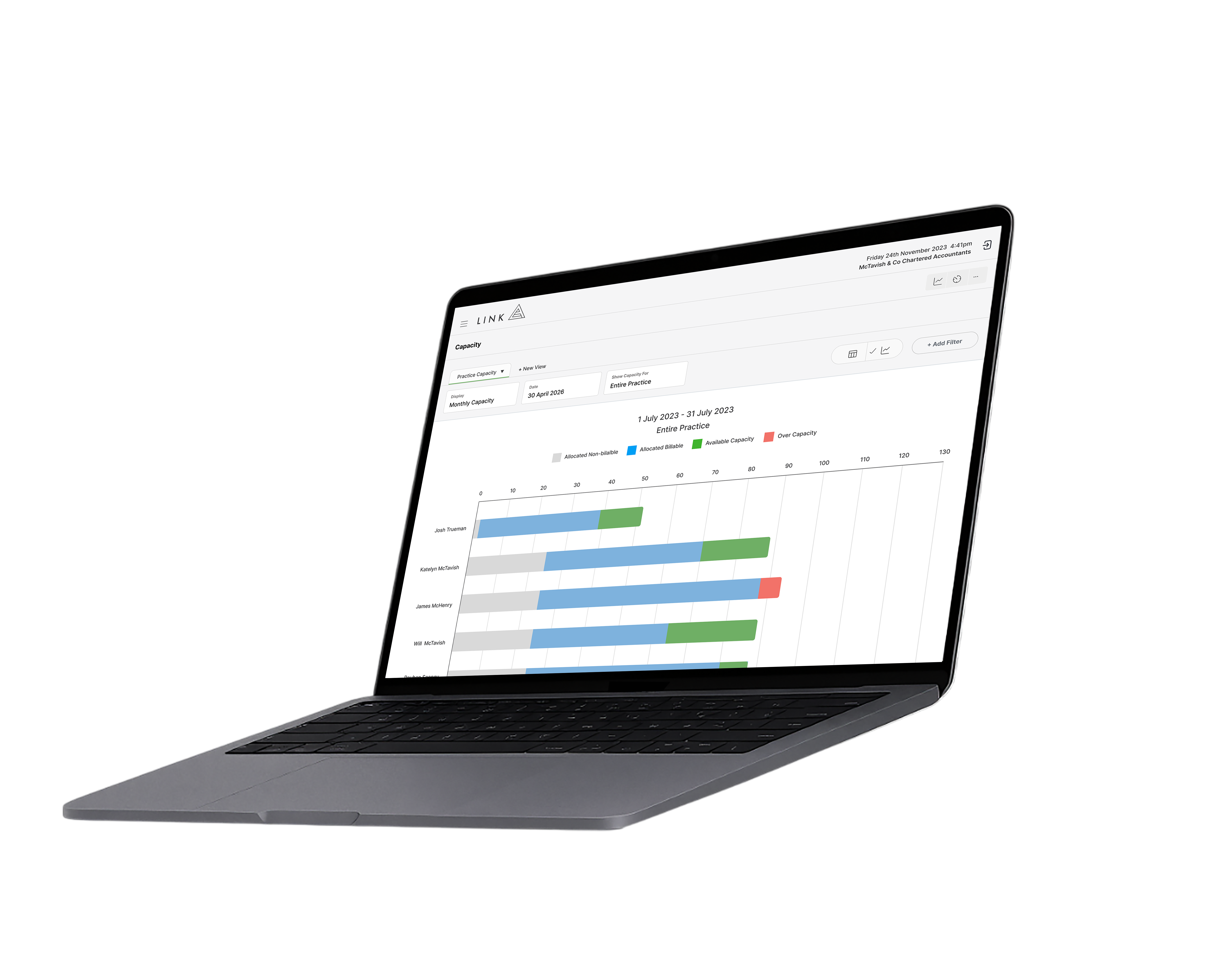
You know your accounting team is over capacity when the amount of work due exceeds the realistic time your team has available to complete it. Common signs include missed deadlines, constant overtime, overloaded team members, delayed jobs, and work getting stuck in the same stage for too long. Link makes this easier to see by showing live capacity directly in workflow, so capacity is always visible and updated with every interaction, including allocations, timesheets, task progress, and job completions.
What KPIs should accounting firms track?
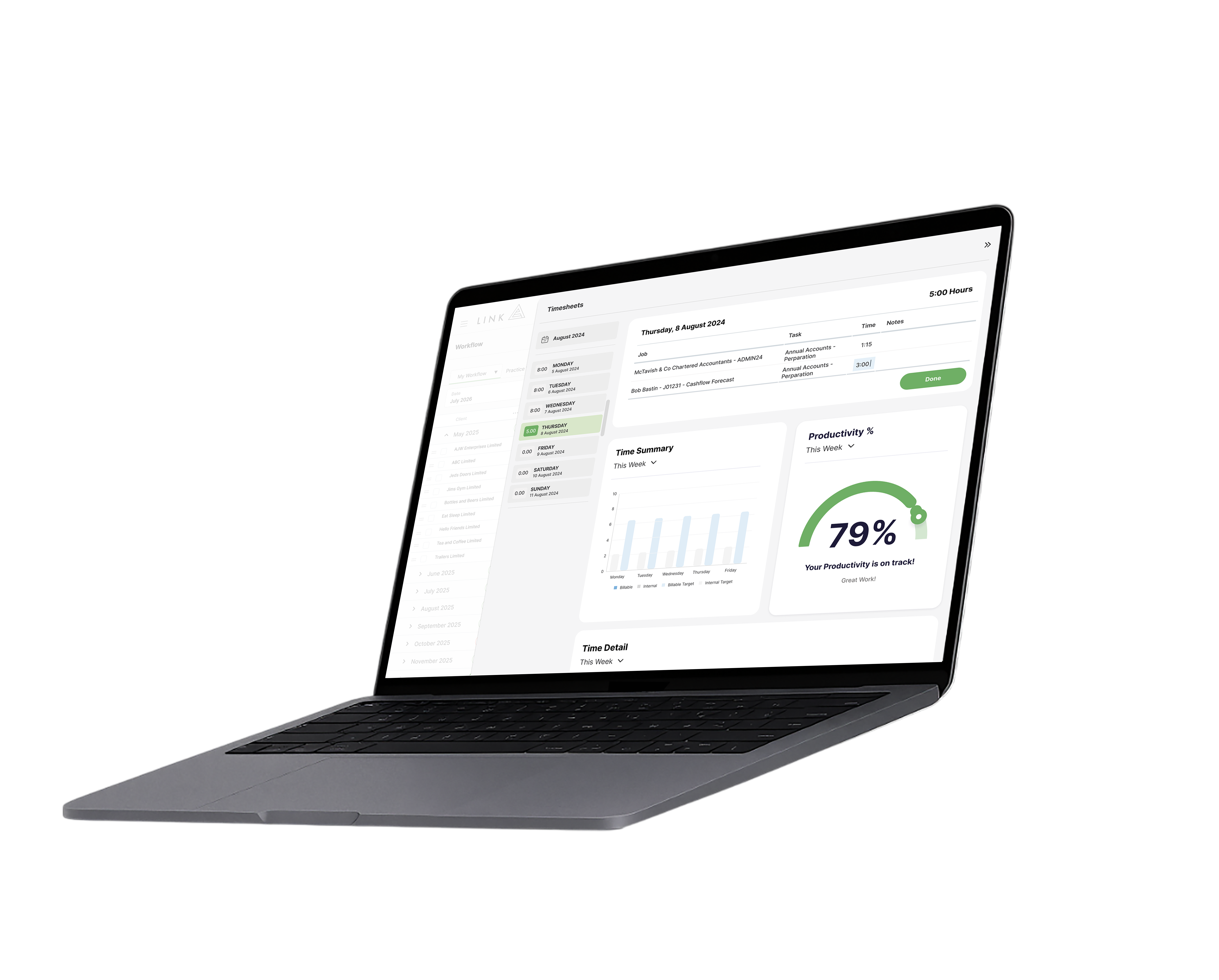
Accounting firms should track KPIs that show whether the firm is productive, profitable, and using team capacity well. Key metrics include available capacity, productivity, write-offs, ROI, average recovered rates, average hourly rates, and job turnaround. Together, these KPIs help firms understand workload pressure, pricing quality, team performance, how quickly work is moving through the firm, and whether the value of the work being delivered is being properly recovered.
How do accounting firms improve profitability?
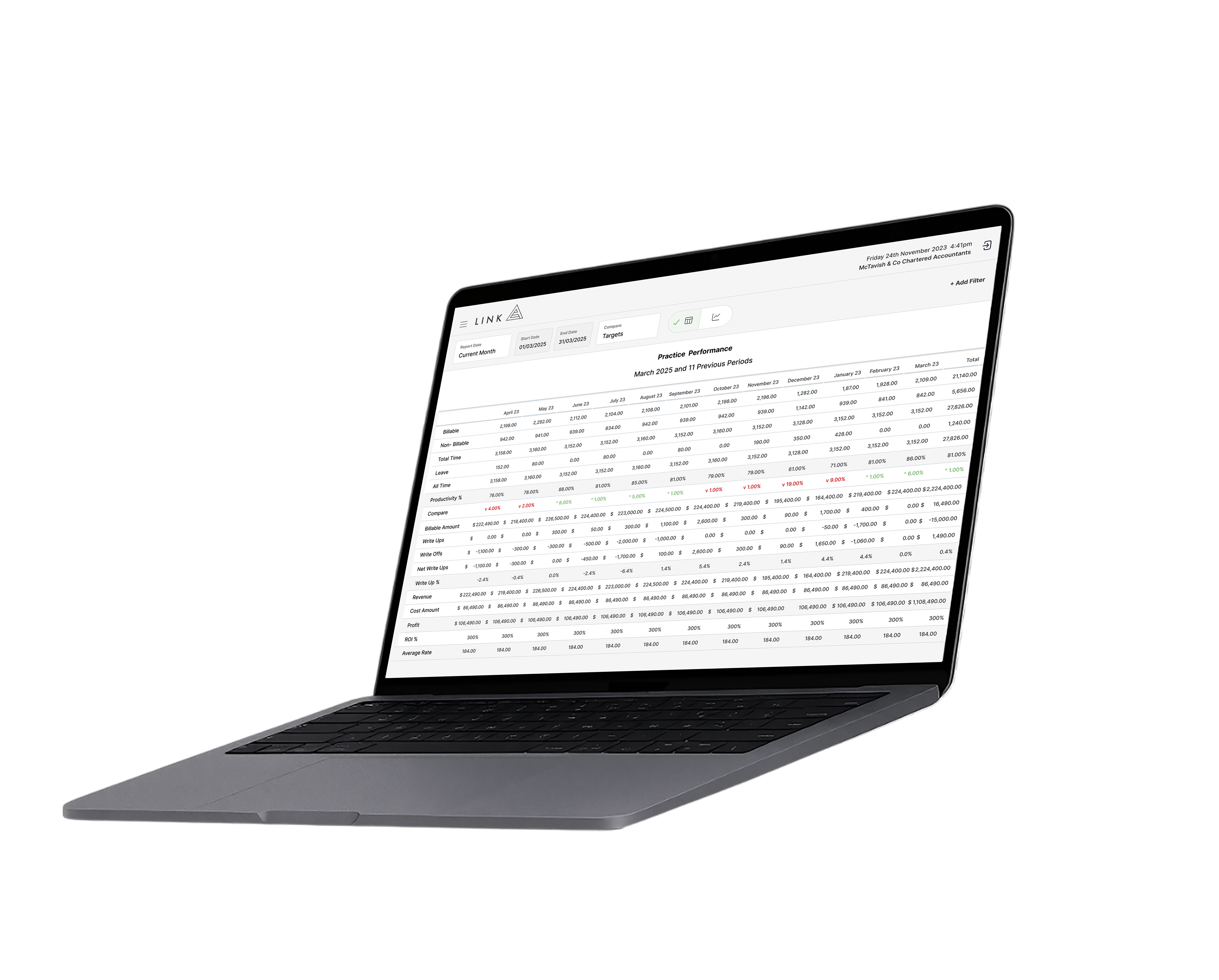
Accounting firms improve profitability by managing WIP more closely, improving productivity, increasing recoverability, setting better prices, and making better use of team capacity. These areas help firms reduce write-offs, complete work faster, recover more value from the work being done, and ensure the right people are focused on the right jobs. Link supports this by connecting workflow, capacity, timesheets, WIP, and reporting, giving firms the visibility they need to improve performance and profitability.
What is the best alternative to Karbon?
The best alternative to Karbon depends on what your firm needs most from practice management software. Karbon is strong for client communication and flexible task management, but Link is a better fit for accounting firms that want structured workflow, live capacity planning, timesheets, WIP, and reporting in one connected system. For firms that care about visibility, workload control, job turnaround, and performance data, Link is a strong alternative to Karbon.
What is the best alternative to XPM?
The best alternative to XPM is software that gives accounting firms more visibility, structure, and control across workflow, capacity, WIP, and reporting. Xero Practice Manager is widely used, but many firms outgrow its workflow tools, capacity visibility, and performance reporting. Link is a strong alternative for firms that want a modern Accounting Practice Management system connected to XPM, giving teams better workflow, live capacity, timesheets, WIP reporting, and the insights needed to run the firm with confidence.
What is the best alternative to FYI?
The best alternative to FYI depends on whether your firm wants document management and manual automation flexibility, or a more structured system for running the firm. FYI is strong in documents and automations, but Link is a better fit for accounting firms that want workflow, live capacity planning, timesheets, WIP, and reporting connected out of the box. For firms that care about visibility, workload control, job turnaround, and reliable performance data, Link is a strong alternative to FYI.
How can accounting firms scale without hiring more staff?
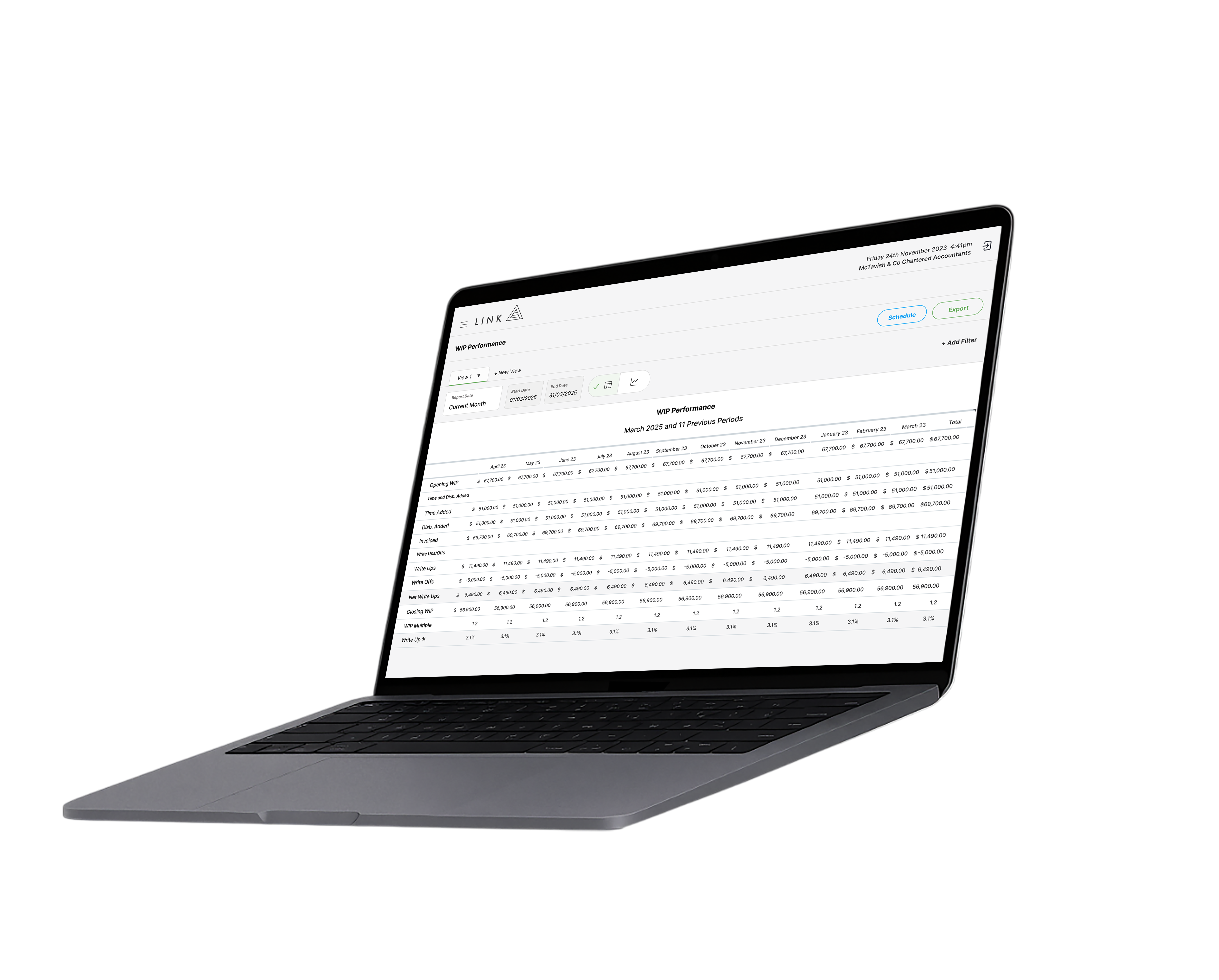
Accounting firms can scale without hiring more staff by improving productivity, reducing write-offs, increasing recoverability, improving pricing, and making better use of existing team capacity. This means completing work faster, reducing unnecessary admin, keeping jobs moving, and ensuring the firm is recovering the full value of the work being delivered. Link helps firms do this by connecting workflow, capacity, timesheets, WIP, and reporting, giving leaders the visibility they need to find bottlenecks, improve job turnaround, and get more from the capacity they already have.
How can accounting firms manage BAS workloads?
Accounting firms can manage BAS workloads by planning deadlines early, assigning work clearly, and tracking each job through workflow. Link helps firms see what is due, who owns each job, and whether the team has enough live capacity to complete BAS work on time.
How do firms plan for EOFY workload spikes?
Firms plan for EOFY workload spikes by forecasting upcoming work early, reviewing team availability, prioritising deadlines, and identifying where capacity pressure will build before it becomes a problem. Link helps firms see EOFY workload through live workflow and capacity data, so leaders can balance work across the team, adjust priorities, and keep jobs moving through the busiest period of the year.
What software helps accounting firms manage tax season capacity?
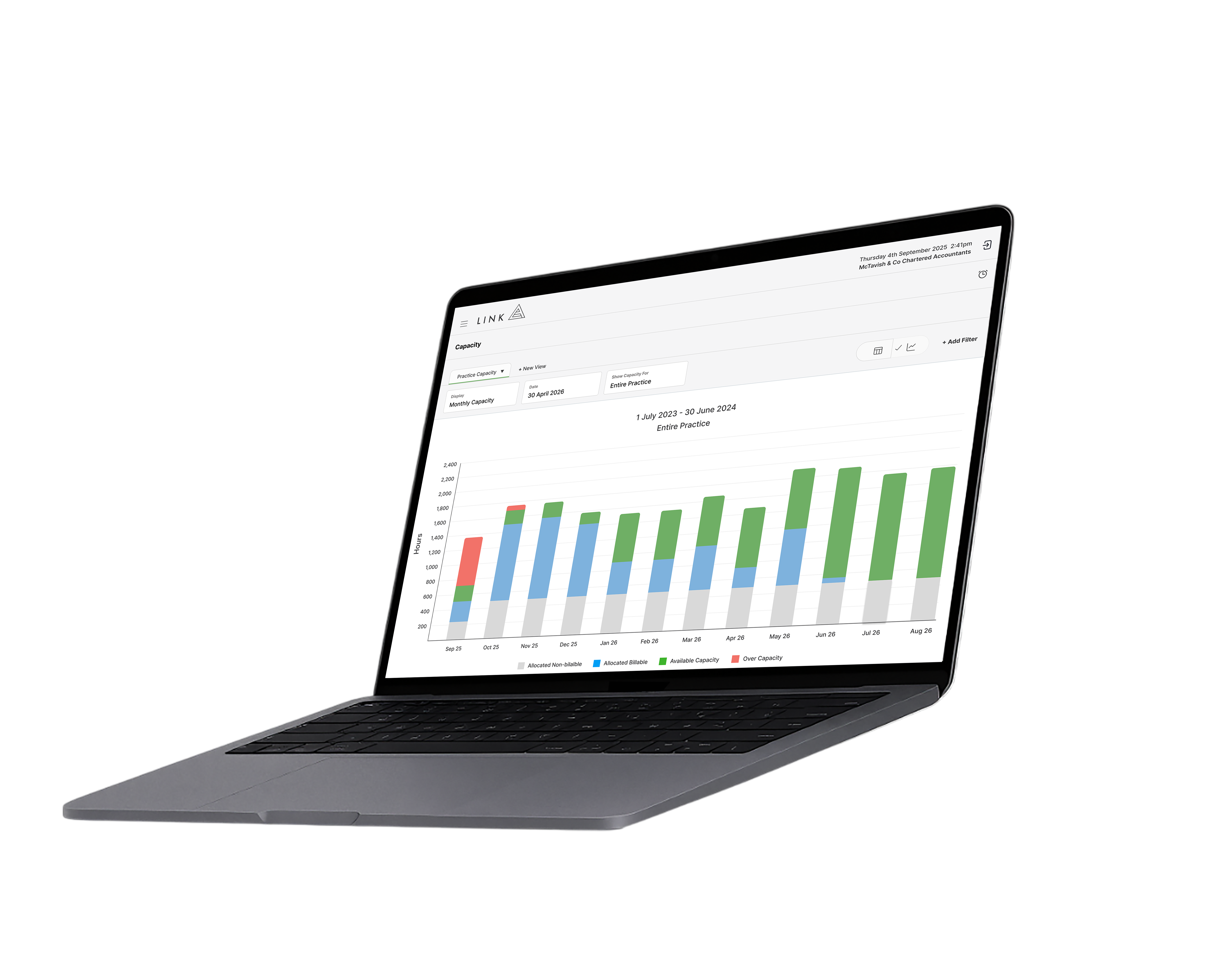
Software that helps accounting firms manage tax season capacity should show upcoming deadlines, team availability, workload pressure, and job progress in one place. Link helps firms manage tax season by connecting workflow with live capacity, so leaders can see who is overloaded, where work is building up, and whether the team has enough capacity to meet key deadlines.
How can accounting firms improve efficiency?
Accounting firms can improve efficiency by reducing unnecessary admin, keeping jobs moving, improving productivity, and giving the team clear visibility over what needs to be done next. This usually means using better workflow, faster timesheets, clearer priorities, and stronger reporting to identify where work is slowing down. Link helps firms improve efficiency by connecting workflow, capacity, timesheets, WIP, and reporting, so teams can complete work faster with less manual effort.
How can accounting firms improve team productivity?
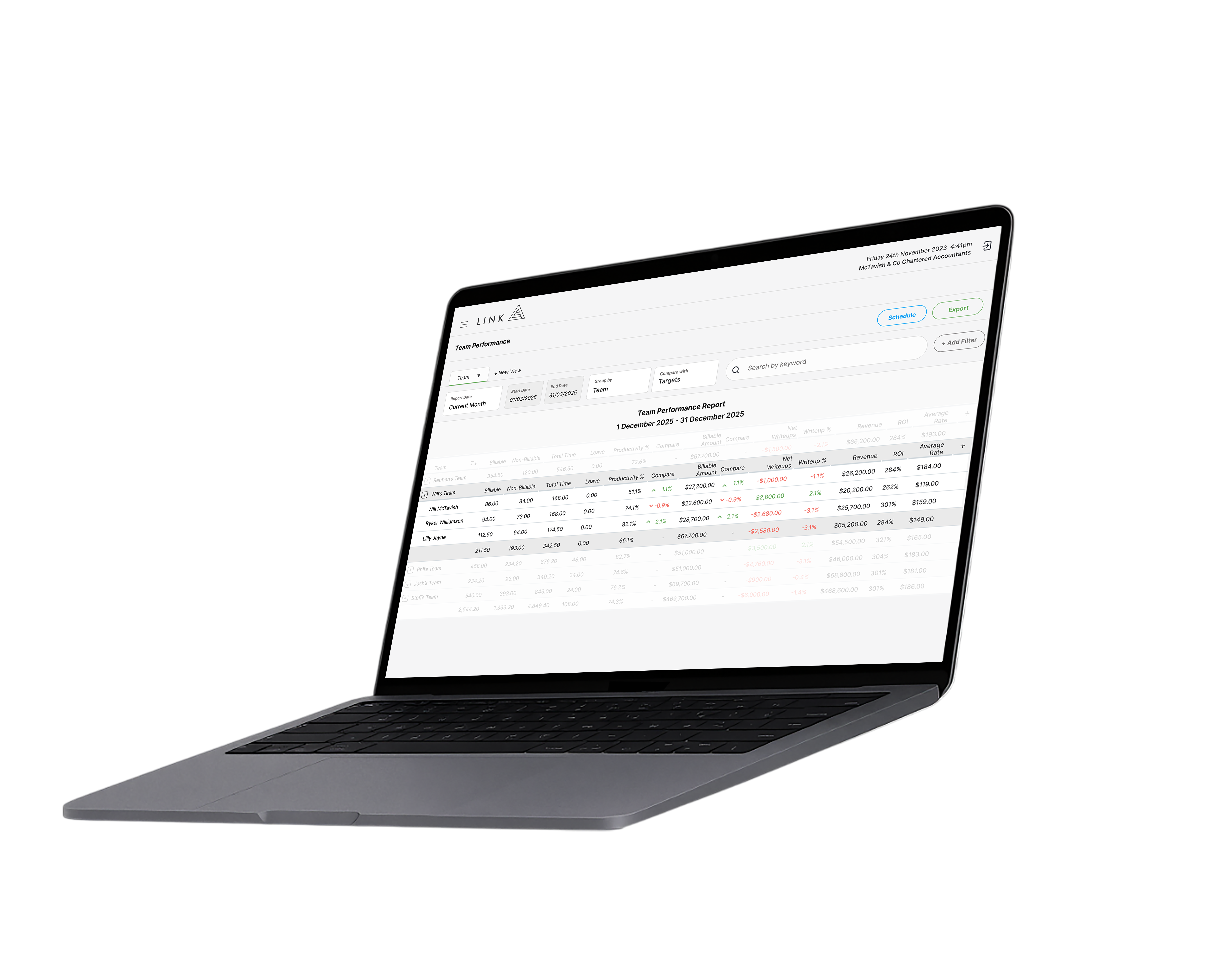
Accounting firms can improve team productivity by giving people clear priorities, reducing manual admin, tracking job progress, and making it easy to see what work should be done next. Productivity improves when workflow, timesheets, capacity, and reporting are connected, rather than managed across separate systems. Link helps firms improve productivity by keeping workflow visible, making timesheets faster, and giving leaders the reporting they need to see where time is being spent and where performance can improve.
How can accounting firms increase profitability without hiring?
Accounting firms can increase profitability without hiring by getting more value from the capacity they already have. This means improving productivity, reducing write-offs, increasing recoverability, improving pricing, and keeping work moving through the firm faster. Link helps firms do this by connecting workflow, capacity, timesheets, WIP, and reporting, so leaders can see where profit is being lost and make better decisions without immediately adding more staff.
How can accounting firms handle growth without adding staff?
Accounting firms can handle growth without adding staff by improving how work is planned, prioritised, completed, and recovered. This means making better use of existing capacity, improving productivity, reducing write-offs, increasing recoverability, and keeping jobs moving through the firm faster. Link helps firms manage growth by connecting workflow, live capacity, timesheets, WIP, and reporting, so leaders can see where pressure is building and get more from the team they already have.
What are the biggest challenges facing accounting firms today?
The biggest challenges facing accounting firms today are managing capacity, improving productivity, reducing write-offs, increasing recoverability, and keeping work moving without overloading the team. Many firms are also dealing with tighter deadlines, pricing pressure, staff shortages, and poor visibility across WIP, workflow, and team performance. Link helps firms address these challenges by connecting workflow, live capacity, timesheets, WIP, and reporting, giving leaders clearer insight into where pressure is building and where performance can improve.