Discover How Link Compares
They all offer Workflow, but the approach differs. See how Link’s Workflow compares by selecting an app below.



Why Choose Link?
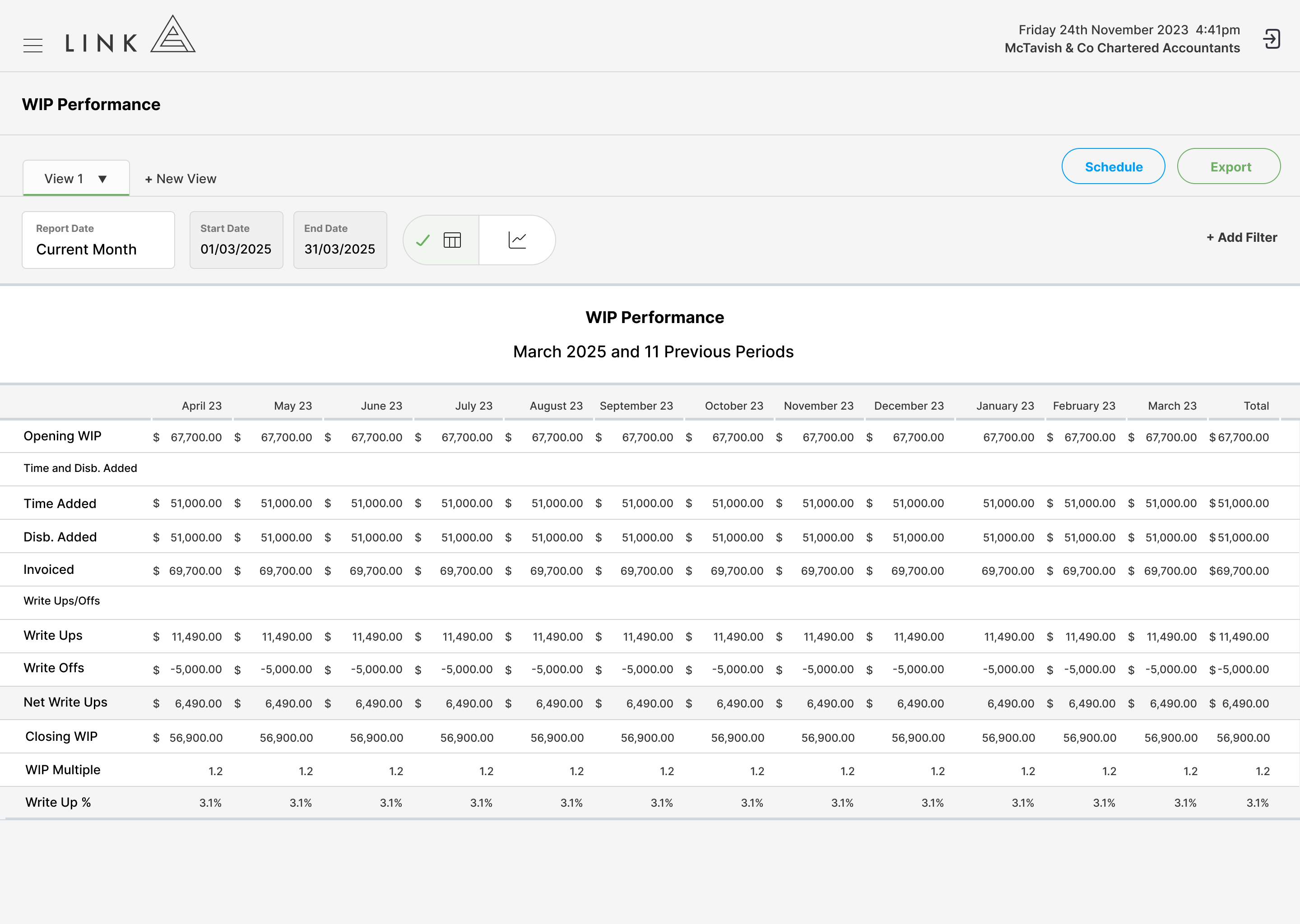
Most practice management apps treat workflow as a list of tasks. Work is split across multiple boards, prioritisation relies on sorting, and key inputs like time are often ignored. The result is predictable: poor visibility, difficult prioritisation, and practice reporting you can’t rely on.
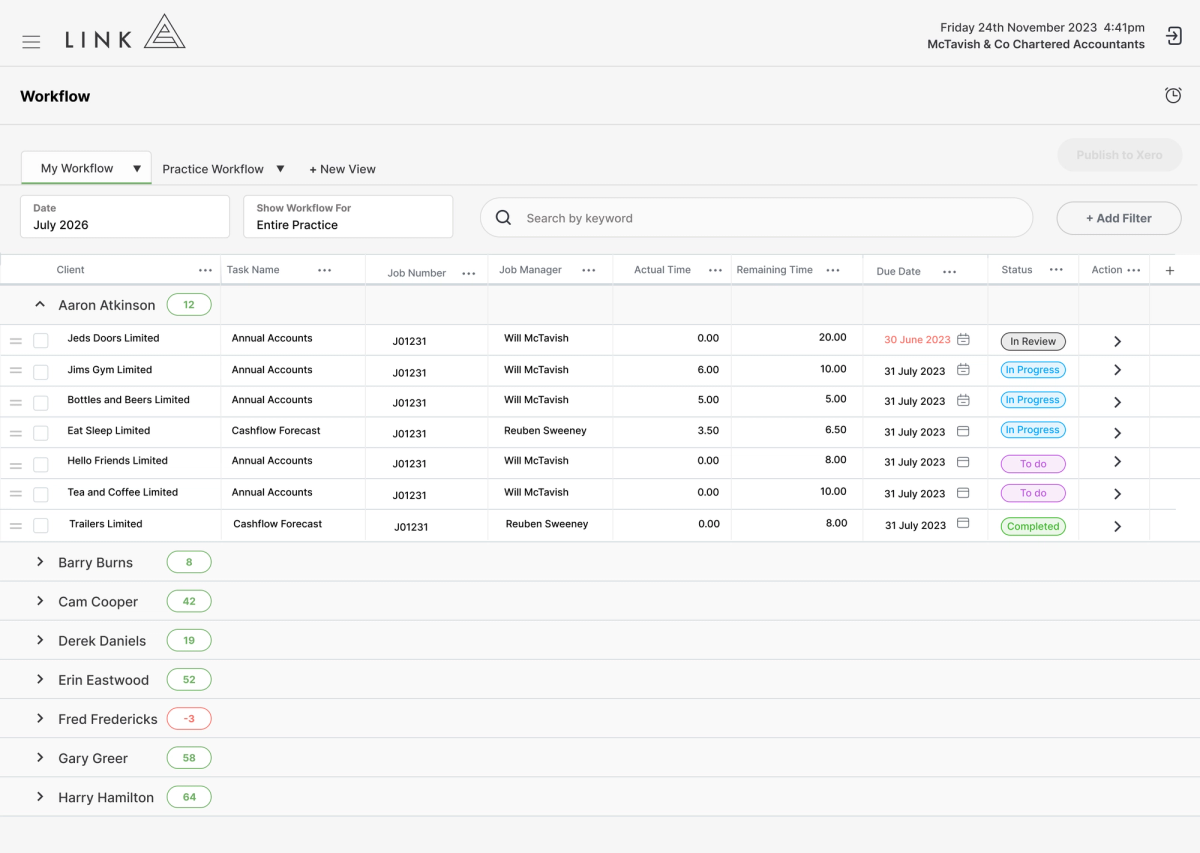
Link is built differently. Your entire year of work sits in a single, searchable view, with drag-and-drop control to prioritise tasks exactly how your team needs. Every task includes who’s responsible, when it’s due, and how long it should take, giving your team complete clarity on what to do next.
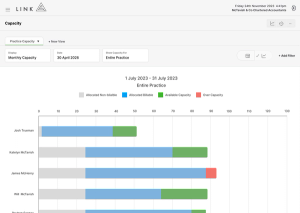
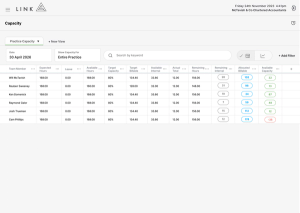
From there, everything connects. Automations use historical data to allocate work in seconds, while capacity updates continuously as a byproduct of workflow. No separate systems. No manual upkeep. Just a live, accurate view of workload as work gets done.
The result is a workflow that doesn’t just organise tasks, it drives performance.
Customer Stories
Link simplifies practice management for high-performance accounting firms by not half-solving problems.
Select the customer below to hear their story.
Gemma Heaney, Director“What attracted us to Link was how it was built specifically for accounting firms and its seamless integration with Xero Practice Manager…a standout feature for us was the ability to clearly visualise staff capacity and workflow across the entire firm.”

Shona Wallace, Director“We were historically reactive to client work and with the data we were starting to see from Link, we quickly realised that we needed to start being more proactive around planning to become more efficient and ultimately see some dramatic changes in our KPIs.”

Phoebe Meares, Head of Operations“You can get the visibility you need quickly and make impactful decisions in a fast-paced environment.”

Stephanie Pope, Director“We’d tried multiple other tools, but found them overly complex with too many moving parts. They weren’t particularly intuitive for day-to-day use, so the team didn’t engage with them consistently. As a result, there were gaps in how often we reviewed performance, and we lacked a simple, reliable way to stay on top of key metrics across the business.”